
















Your Complete Guide to a Safe & Memorable Monsoon Journey
The monsoon transforms Maharashtra into a breathtaking paradise. The Western Ghats disappear beneath drifting clouds, seasonal waterfalls tumble down, and every bend reveals another shade of green. But this beauty comes with its own set of challenges. This guide covers everything you need to know for a safe, comfortable, and unforgettable monsoon experience.
Best Monsoon Destinations in Maharashtra
Lonavala & Khandala
The most accessible monsoon drive from Mumbai and Pune. These twin hill stations become carpeted in impossible shades of green, with impromptu waterfalls cascading down hillsides. Bhushi Dam, Tiger Point, and the old Pune highway through the ghat section are classic monsoon experiences.
Best Time: Mid-June to September. Peak monsoon magic happens in July and August.
Accessibility: Located 84 km from Mumbai and 65 km from Pune via the Mumbai-Pune Expressway. The Missing Link bypass (opened May 2026) saves 25-30 minutes of travel time.
Matheran
India’s only automobile-free hill station truly comes into its own in June. The narrow-gauge toy train climbs through cloud-draped forests, and the red-mud paths are blissfully empty of summer crowds. Viewpoints like Echo Point, Panorama Point, and Monkey Point are often cloaked in mist, which is paradoxically when they are at their most enchanting.
Unique Feature: No vehicles allowed. Explore on foot, by horse, or on the iconic toy train.
Malshej Ghat
Maharashtra’s unsung monsoon poem. Plateau waterfalls cascade across the ghats in sheets, flamingos occasionally take shelter in the water bodies near Pimpalgaon Joga Dam, and the entire landscape operates under a near-constant veil of cloud.
Highlights: Harishchandragad fort for serious trekkers, spectacular waterfall views, and bird watching opportunities.
Mahabaleshwar
The drive to Mahabaleshwar is one of Maharashtra’s great monsoon experiences. Waterfalls spill across black basalt cliffs, roadside stalls tempt travellers with roasted corn and steaming chai, and valleys appear only to vanish again behind drifting curtains of mist.
Must-Visit: Wilson Point (highest viewpoint), Venna Lake, and the UNESCO-listed Kaas Plateau which bursts into bloom with hundreds of wildflower species during the latter half of the monsoon.
Bhandardara & Igatpuri
Located approximately 165 km from Mumbai via the Mumbai-Nashik Expressway. Igatpuri is known as one of the wettest towns in Maharashtra, smothered in clouds during June and July. Bhandardara’s Arthur Lake, filled by the monsoon rains, becomes a hauntingly beautiful expanse of still water surrounded by hills.
Best For: Overnight trips and scenic drives through the Kasara Ghat.
Alibaug & Konkan Coast
The Konkan coastline transforms dramatically in the rains. The coastal road from Alibaug to Murud Janjira passes through fishing villages, mango orchards, and laterite rocky shoreline. Murud Janjira’s sea fort sits dramatically in the Arabian Sea against a stormy June sky.
Special Experience: Walk to Kolaba Fort during low tide when the sea briefly reveals the route to this Maratha naval fort.
Monsoon Safety Guidelines
Check Weather Advisories
Before any trip, check IMD (India Meteorological Department) advisories. A red or orange warning for Raigad or Pune district means holding off on the Lonavala or Konkan routes.
Currently: Mumbai is under Red Alert with heavy to extremely heavy rainfall warnings. Lonavala and Khandala routes have seen landslides and road closures.
Places to Avoid During Peak Monsoon
Some locations become genuinely dangerous during heavy rains:
- Lonavala & Khandala: Landslides along the Karjat-Lonavala stretch and Mumbai-Pune Expressway have brought traffic to a halt.
- Pandavkada Falls, Navi Mumbai: Declared unsafe by CIDCO due to flooding risk. 12 students lost their lives here in 2010.
- Kalavantin Durg: Steep and slippery without barricades; overcrowding on weekends.
- Chinchoti Waterfalls: Water currents can become strong instantly; 20 minutes of heavy rain can turn the area into a flood zone.
- Prabalgad Fort: Slippery slopes and thick fog make climbing dangerous.
Road Safety During Monsoon
On the Mumbai-Pune Expressway:
- Thick fog often blankets the ghat section, reducing visibility.
- Some stretches remain vulnerable to landslides during intense rainfall.
- Digital display boards remind travellers to reduce speed, switch on headlights, and drive carefully.
- Emergency response teams remain on standby.
General Driving Tips:
- Never ride a two-wheeler into standing water if you can’t see the road surface beneath it. Open manholes and deep potholes can be hidden.
- Build extra time into every commute. In Pune, areas near Katraj, Sinhagad Road, and Solapur Highway slow down dramatically.
- On Red or Orange Alert days, avoid going out unless absolutely necessary.
Monsoon Trekking Safety
The Akhil Maharashtra Giryarohan Mahasangh (AMGM) has issued safety guidelines for monsoon treks:
Do’s:
- Keep the number of people in a trek limited and manageable
- Share location, duration, and trek information with family/friends
- Carry first-aid kits
- Carry a walking stick to ease climb and descent
- In case of lightning, stay in a dry and safe place; do not wait in open or wet spaces
- Call the 24/7 helpline: 7620 230 231 in case of emergency
Don’ts:
- Avoid taking photos in risky or dangerous places (cliffs, fort bastions, slippery edges)
- Avoid venturing under gushing waterfalls
- Do not venture alone, regardless of the season
- Avoid places with high water flow as there is a possibility of rockfall
Note: Trails become slippery due to rainfall, dense fog and overgrown grass often lead to disorientation, and sudden cloudbursts can result in flash floods.
What to Pack for Monsoon
Clothing & Footwear
- High-quality poncho or raincoat: Covers both you and your bag
- Quick-dry synthetic fabrics: Avoid cotton and jeans—they take forever to dry
- Waterproof trekking shoes with strong grip for slippery trails
- Light scarf or shawl for cool, damp evenings
- Waterproof hiking sandals or lightweight waterproof trail runners as backup
Gear & Tech
- Waterproof bag or backpack: Pack valuables in ziplock pouches inside
- Power bank: Power cuts are common during heavy rain in smaller towns
- Torch or headlamp: Useful on treks and hill stays
- Phone waterproof cover: Non-negotiable
- Potent insect repellent for evenings
- Portable charger for camera and phone
Documents & Cash
- Keep cash, IDs, and insurance in a waterproof wallet
- Carry some cash: ATMs in hill areas can be unreliable during heavy rain
- Download offline maps in case of patchy signals near the hills
Other Essentials
- Salt sachets for leech defense at Karla-Bhaja and other forest trails
- Headlamp for cave interiors
- Quick-dry shoes as paths flood within an hour
- Dry bag for phone and camera
Monsoon Food Experiences
No monsoon trip to Maharashtra is complete without roadside food experiences:
Must-Try Items:
- Masala Chai: Steaming hot spiced tea
- Pakoras: Savory fritters—onion, potato, or spinach dipped in chickpea flour and deep-fried
- Bhutta: Roasted corn on the cob slathered with salt, chili, and lime juice
- Maggi: Instant noodles at hill stations, especially satisfying in the misty weather
Where to Find Them:
Roadside stalls are available at viewpoints, ghat sections, and popular tourist spots. Look for the busy ones—they’re usually the best.
Pre-Trip Checklist
- [ ] Check IMD weather advisories and road conditions
- [ ] Book accommodations in advance (monsoon is peak season)
- [ ] Keep FASTag active to skip long queues at toll plazas
- [ ] Download offline maps in case of patchy signals
- [ ] Pack rain gear, waterproof bags, and quick-dry clothing
- [ ] Carry cash as ATMs may be unreliable
- [ ] Charge power banks and phones fully
- [ ] Share itinerary with family/friends
- [ ] Check vehicle condition—tyres, brakes, and wipers
- [ ] Pack a first-aid kit
- [ ] Keep emergency helpline numbers saved (7620 230 231)
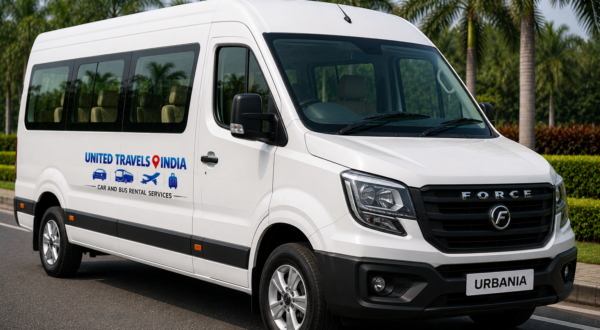
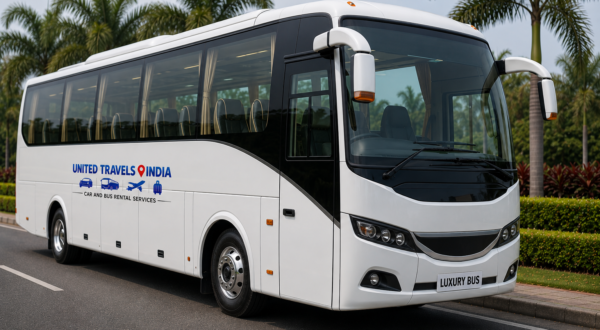
Why Choose a Chauffeur-Driven Cab for Monsoon Travel
Safety on Wet Roads:
Professional drivers with local knowledge of which routes are reliably passable and which carry landslip risk.
Flexible Itinerary:
The best monsoon drives are not rigidly scheduled. Chauffeurs can suggest real-time adjustments if conditions warrant.
Local Knowledge:
Experienced drivers know which viewpoints to visit based on weather, visibility, and crowd conditions.
Comfort:
Enjoy the scenic beauty without the stress of driving through ghat sections, tunnels, and reduced visibility.
FAQ: Monsoon Travel Maharashtra
Q: What is the best time to visit Maharashtra during monsoon?
A: Mid-June to September. July and August offer peak monsoon magic with lush greenery and waterfalls.
Q: Is it safe to drive on the Mumbai-Pune Expressway during monsoon?
A: Yes, but caution is essential. Thick fog can reduce visibility, and some stretches remain vulnerable to landslides. Drive within speed limits, keep headlights on, and maintain safe distances.
Q: What are the most dangerous places to avoid during monsoon?
A: Pandavkada Falls, Kalavantin Durg, Chinchoti Waterfalls, and Prabalgad Fort are considered high-risk. Lonavala and Khandala routes may also be affected by landslides during heavy rain.
Q: What should I pack for a monsoon trip to Maharashtra?
A: Raincoat/poncho, quick-dry clothing, waterproof trekking shoes, waterproof bag, power bank, flashlight, insect repellent, and some cash.
Q: Can I visit Lonavala during monsoon?
A: Yes, but check weather advisories first. Monsoon is the most beautiful time to visit, but landslides along approach routes can disrupt travel. Avoid traveling during red/orange alert days.
Q: Are there any emergency helplines for monsoon treks?
A: Yes, the 24/7 helpline is 7620 230 231 for trekking emergencies in the Sahyadris.
Q: What is the monsoon emergency helpline in Maharashtra?
A: For trekking and mountaineering emergencies, call 7620 230 231. For general emergencies, contact local police and disaster management authorities.
Q: Is Matheran accessible during monsoon?
A: Yes, the narrow-gauge toy train operates through cloud-draped forests. The red-mud paths can be slippery, so wear appropriate footwear.
Q: What are the best monsoon getaways in Maharashtra?
A: Lonavala, Matheran, Malshej Ghat, Mahabaleshwar, Bhandardara, and the Konkan coast are top recommendations.